Local competition in China isn’t necessarily a bad thing. In fact, when competition is used for market research and strategic development, it provides foreign brands with a direct firsthand learning opportunity to capitalize on. Indeed, the increasing dominance of domestic brands over their foreign counterparts not only compels the latter to rethink their marketing and sales strategies in China, but also presents an opportunity to gain valuable insights. By studying and drawing inspiration from the tactics employed by local competitors, international businesses doing business in China can adopt effective “best practices” and identify their own unique market positioning.
This post reviews six marketing approaches used by local brands in China and highlights what international companies can learn from them. Which of the tactics below can work for your business?
Table of Contents
- Embracing the Guochao
- Maximizing social media marketing in China
- Optimizing technology adoption and supply chain efficiency
- Designing photogenic packaging
- Turning customers and employees into brand advocates
- Demonstrating expertise in online forums and digital magazines
- Q&A about B2B Marketing Localization in China
Referred to as a “national trend,” Guochao signifies the growing inclination of Chinese consumers toward brands that seamlessly incorporate Chinese elements into their product design and marketing approach. The underlying essence of the Guochao lies in brands’ objective to resonate with their local customers’ Chinese identity. As a result, it facilitates a deeper connection with them. Therefore, embracing Guochao principles isn’t limited to adding Chinese characters in product designs, or the “made in China” label. Instead, it reflects a genuine understanding and appreciation for Chinese culture, demonstrating your commitment to invest in the Chinese market and new clientele.
Want to Grow Your Sales in China? Embrace the “Guochao” Trend
While integrating Chinese cultural facets into their offerings comes more naturally to domestic brands, certain foreign brands have also adeptly tapped into this trend. A good example is Nestle’s ice cream brand inspired by Cantonese culture.
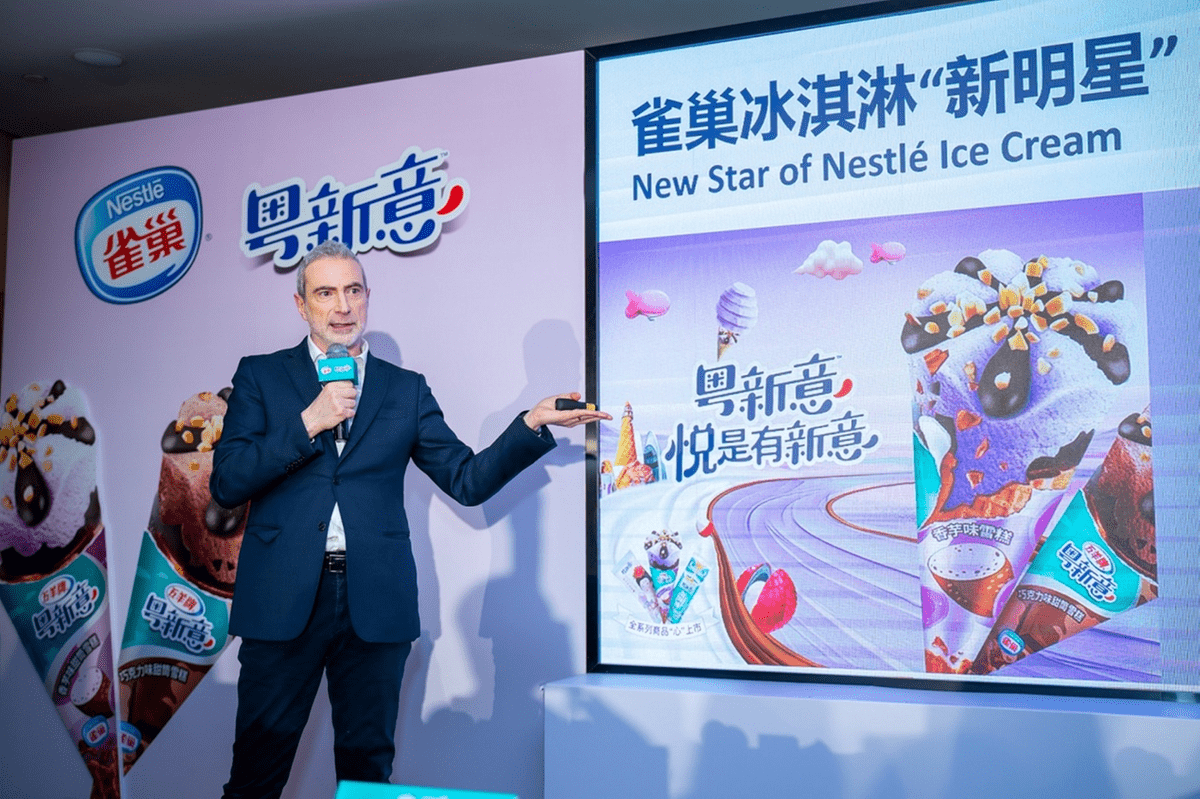
Angelo Giardini, senior vice-president of Nestle China, introduces the company’s Cantonese-featured sub-brand ice cream, Yuexinyi (photo source: chinadaily.com.cn).
The new Yuexinyi Xingshibang ice cream series originates from the historical art of the dancing lion, and the auspicious lion shape is novel, cute, and vigorous. Another upgraded ice cream series, FI-FI, presents the legend of a princess history story who loved to eat litchi.
Digital marketing plays a pivotal role in Chinese companies’ sales and marketing strategies, with various social media platforms providing an array of interactive features to captivate local customers. This is true for both B2C and B2B companies.
WeChat, often described as China’s leading super app, remains one of the country’s most important marketing and communication channels. Local brands use official WeChat accounts to build direct relationships with customers and to make use of the platform’s broad content, engagement, and customization features. Direct-to-consumer communication is another prevailing trend, where companies create private group chats to facilitate a more intimate and personal environment.
Another intriguing feature is live commerce, which is available on platforms such as WeChat, Tmall, Taobao, Douyin (TikTok), and more. This innovative feature combines e-commerce with live streaming, enabling brands to engage in real-time conversations with customers during their shopping journey. This interactive approach empowers brands to provide ongoing customer support, effectively meeting the evolving demands of online shoppers.
For B2B companies, WeChat official accounts can support brand visibility, industry communication, and lead development. They can be used to publish professional content, promote training sessions or product introductions, and support follow-up around exhibitions, meetings, and industry events.
Read more on our social media localization services
Two defining traits of the Chinese market are the speed at which market conditions evolve and the steadily rising expectations of Chinese consumers, especially in areas such as convenience, responsiveness, and overall shopping experience. In practical terms, McKinsey identifies agility and leveraging technology as two primary factors for brands to stay ahead of trends, seize market share, and remain competitive in this dynamic landscape.
This insight is promising news for technological B2B companies, knowing that innovative solutions are enthusiastically embraced and can ensure their relevance. Moreover, it extends advantage for companies that are manufacturing in China.
Specifically, Chinese companies are constantly working to align with their customers’ expectations by enhancing the efficiency of their supply chains, and quite obviously, it is much easier to do when you are physically in China. With that in mind, international companies that relocate their manufacturing capabilities to China can reap the same rewards. Shortened distance to the market improves supply chain efficiency drastically, from raw materials availability, through manufacturing and assembly in China, to distribution – all centralized in one location.
Domestic brands in China leverage social media platforms not only to create meaningful customer interactions, but also to actively involve their customers within the company’s marketing efforts. Specifically, companies design their products in Instagram-worthy packaging, recognizing that visually appealing product designs can go viral on social media. One such example is evident in the Chinese instant coffee brand Saturnbird’s product design, in the shape of small, colorful cups that gain high shareability on social media. This is a powerful strategy to boost marketing reach organically.
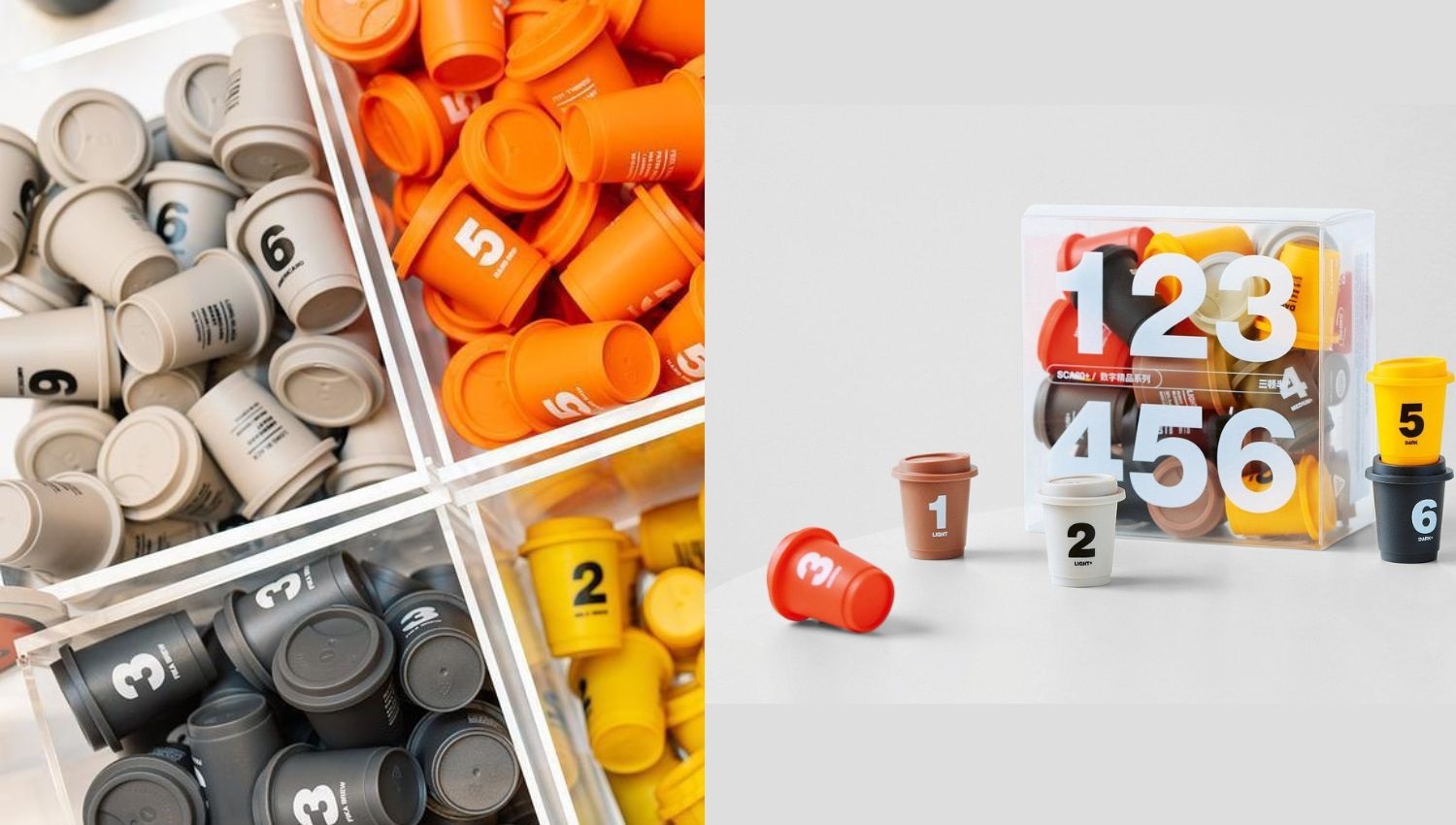
Saturnbird’s Coffee pods (photo source: WeChat)
Providing social proof as a sales and marketing strategy is undeniably effective, so Chinese brands often hire Key Opinion Leaders (KOLs) to endorse their products within their extensive follower communities. However, the widespread impact of these influencers often comes with a price tag. To supplement KOL marketing more affordably, Chinese companies engage Key Opinion Consumers (KOCs) who organically endorse products they like (without a financial incentive).
Brands leverage KOCs by designing shareable, social media-friendly products that spark interest, as Saturnbird did with its eye-catching coffee cup packaging. Other brands are turning their employees into KOCs, by having them share company content/products among their followers. Platforms like Xiaohongshu and Douyin (Tiktok) are major channels for KOC marketing, with recommendation-driven content distribution that helps product-focused content reach highly relevant user groups.
While forums may be outdated in the West, they remain a valid go-to source in China. PR and digital publications as an advantageous marketing channel are covered in the post “Digital Marketing in China: 5 Channels B2B Companies Should Consider”, but it’s worth reiterating. Online forums and digital publications are a stage for brands to showcase their unique solutions and knowledge, which comes with several benefits. These include increasing brand awareness among millions of potential customers, establishing thought leadership, and boosting visibility on the search engine Baidu as forum posts tend to rank highly.
Zhihu is one example of a leading Chinese question-and-answer platform and content community. Often compared to Quora because of its discussion format, it has developed into a broader knowledge-sharing platform with content formats that include articles, expert discussion, and live sessions. Its audience is still widely associated with educated urban users, which helps explain its relevance for brands in sectors that rely on trust, expertise, and informed decision-making. This makes it attractive for luxury brands and tech firms targeting “intellectual elites.”
Local Chinese brands usually respond faster to shifts in consumer behavior, platform trends, and communication style. For international companies, the practical lesson is not to copy domestic competitors directly, but to understand how local market logic works and adapt their own positioning, messaging, and channels accordingly. In many cases, working with a local marketing partner can help shorten that learning curve.
PTL Group has long supported international companies operating in China, helping them localize operations, strengthen market entry plans, and navigate practical business challenges on the ground. If your company is reviewing its China marketing approach or broader local operations, we will be glad to discuss the options with you.