Invoicing in any country can be tricky, let alone China. This is why it is important to understand how digital invoicing now works in practice and what e-invoicing in China means for day-to-day business operations:
When it comes to the national tax invoice management system in China, there should be no cutting corners. Knowing and understanding Chinese bureaucracy is essential for your business. And just to state the obvious, ALL domestic transactions in China must be recorded, and invoices must be provided. If a seller refuses to issue an invoice, the buyer is allowed to appeal to the tax bureau.
Table of Contents
- What is a Fapiao and e-Fapiao?
- e-Fapiao in practice – digital invoicing in China
- Why e-Fapiao matters for your business
- Three practical implications of e-Fapiao for your business
- Types of e-Fapiao
- Q&A about Financial Management & Accounting in China

What is a Fapiao and e-Fapiao?
If you are wondering what fapiao is, keep reading and everything will become clear. Fapiao (发票) is the official tax invoice in China and serves as legal proof of purchase for goods or services. In practice today, this invoice is most commonly handled in electronic form through the e-fapiao system administered by the STA (State Taxation Administration).
China’s move from paper-based invoicing to Electronic Fapiao, or e-Fapiao, began with pilot programs and accelerated during the Covid-19 period. As of 2026, digital invoicing is no longer limited to major cities or early adopters. It is now the only routine financial and tax administration across China.
The e-Fapiao system is run by China’s State Taxation Administration (STA). The STA supervises invoice issuance and management across China through the national electronic invoicing framework. Invoice permissions and quotas are still allocated according to the company’s business scope and tax profile, but the operational baseline is now digital rather than paper-based.
Today, most of these invoice handling processes can be completed online through digital systems, with far less reliance on paper-based administration. One can still receive a printed Fapiao, but the official record is generated and stored in the online system, which makes the printed version only a copy.
In the era of paper invoicing, both newly established and existing companies faced multiple restrictions, including the number of invoices available, the maximum amount that could be issued per invoice, and the total monthly invoicing limit. However, with the widespread adoption of e-invoicing, these issues have largely been resolved. E-invoices are no longer subject to quantity limits, and in theory, each invoice can be issued for any amount required to meet the company’s actual business needs. Regarding the total monthly invoicing limit, the initial quota for newly established companies is uniformly set at 5,000 RMB. If the first issued invoice exceeds this limit, the company must apply for a quota increase. Thereafter, tax authorities will manage the company based on its approved total monthly invoicing quota. Should the company need to further expand its monthly invoicing limit, it may continue to apply for adjustments according to actual business requirements.
Usages of the Fapiao or e-Fapiao:
- Buyers use them for reclaiming business expenses
- Sellers use them for tax payments, offsetting, and rebates
- The government uses the e-Fapiao or fapiao system for tracking payments and combatting tax evasion.
e-Fapiao in practice – digital invoicing in China
Any company wishing to enter the Chinese market today should assume that digital invoicing is part of the standard financial and compliance environment in China and prepare its internal processes accordingly.

Why e-Fapiao matters for your business
Here are some of the main practical advantages of digital invoicing in China:
- They are easier and faster to issue, process, and deliver
- They can be authenticated and verified online more efficiently
- e-Fapiaos are stored digitally, making retrieval and re-printing easier
- They can be integrated into company systems and support broader finance and reporting processes
- They reduce reliance on paper handling and physical delivery services
Read more about the financial aspects of running a business in China in the Financial regulations guide for foreign companies in China
Three practical implications of e-Fapiao for your business
- Optimization and automation – e-Fapiao affects not only WFOE accounting and general accounting in China but also broader business operations. For many companies, digital invoicing has become part of a wider effort to improve accuracy, reporting discipline, and process efficiency. Note: system updates, workflow adjustments, and related costs may still apply.
- Increased transparency – These digital tools improve transparency. The system supports not only government oversight, but also better internal visibility for the company’s own management and finance teams.
- Careful handling – As e-Fapiaos are easier to generate, finance teams should pay close attention to duplicate submissions and invoice control procedures in order to prevent repeated reimbursements.
Types of e-Fapiao
As part of China’s digital invoicing framework, the two main types of e-Fapiao remain General VAT and Special VAT.
The general e-Fapiao is issued for commercial transactions of a service or product,
and the VAT (Value Added Tax) is non-deductible.
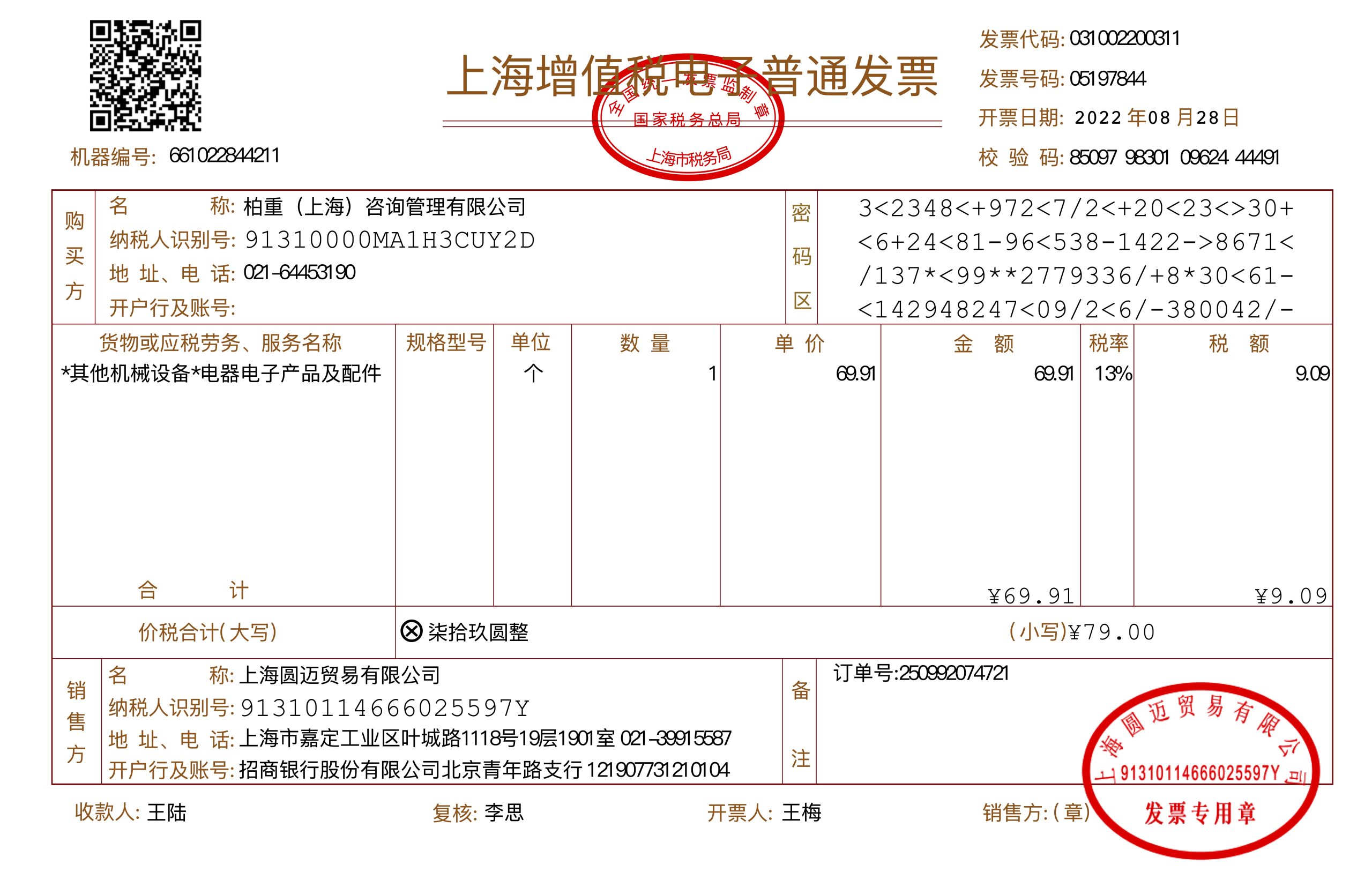
The special VAT e-Fapiao allows companies to deduct VAT,
which makes it more business oriented as it is best for B2B companies

Just like in any other country, businesses operating in China need to understand the rules and regulations that apply to tax and invoicing. Managing a company in China requires full compliance with Chinese accounting and tax procedures, which often differ from those used in Western markets.
PTL Group has more than two decades of experience providing accounting and other financial services in China. Our local experts on the ground provide vital support in meeting the financial needs of international companies in China. We provide financial reporting in accordance with Chinese standards, while making all the necessary adjustments to meet the needs of the overseas CFO. We operate as our client’s in-house Finance Manager, Financial Controller or accountant. We provide them with transparent and clear accounting reports.
PTL Group’s financial experts support its clients whether they already have a business license in China or are just starting a business in China. Read more about our financial services in China.